Atmospheric rivers are massive plumes of moisture carried across the sky that can dump heavy rains or snow over land.
Here’s a look at the phenomenon:
Where do atmospheric rivers come from?
Atmospheric rivers generally form in tropical regions, where warm temperatures can cause water vapor to rise into the atmosphere, according to the National Oceanic and Atmospheric Administration. The winds aloft then carry that moisture to northern and southern latitudes.
They occur globally but are especially significant on the West Coast of the United States, where they create 30% to 50% of annual precipitation and are vital to water supplies but also can cause storms that produce flooding and mudslides, according to NOAA.
Formed by winds associated with cyclones, atmospheric rivers typically range from 250 miles to 375 miles (400 to 600 kilometers) in width and move under the influence of other weather.
Many atmospheric river events are weak. But the powerful ones can transport extraordinary amounts of moisture. Studies have shown they can carry seven to 15 times the average amount of water discharged daily by the Mississippi River, according to the U.S. Geological Survey.
They're also getting bigger, wetter and more frequent as Earth's atmosphere warms, according to a 2025 study.
What happens when an atmospheric river reaches land?
When the moisture-laden air moves over mountain ranges such as the Sierra Nevada along the California-Nevada line, the water vapor rises and cools, becoming heavy precipitation that falls as rain or snow, according to NOAA.
While traditional cold winter storms out of the north Pacific build the Sierra snowpack, atmospheric rivers tend to be warm. Snow may still fall at the highest elevations but rain usually falls on the snowpack at lower elevations. That can quickly prompt melting, runoff and flooding and decrease the snowpack needed for California’s water supply.
What is a pineapple express?
It is a nickname for a strong atmospheric river that originates in the tropical Pacific near Hawaii.
Where did the term atmospheric river come from?
The name came from research published in the 1990s by scientists Yong Zhu and Reginald E. Newell of the Massachusetts Institute of Technology. Atmospheric rivers are often referred to as ARs.
LATEST POSTS
- 1
 How Deforestation Is Reshaping Mosquito-Human Contact
 - 2Deadly heat worldwide prompts $300 million for climate health research at COP30
- 3The 3 little words TV fans can't stop obsessing over
- 4Clocks to go forward one hour in Europe as summer time starts
- 5Dominating Your Cash: The Fundamental Manual for Overseeing Individual accounting records





- 'The best gift ever': Baby is born after the rarest of pregnancies, defying all odds
- Top 20 Wellbeing and Wellness Applications for a Sound Way of life
- Blood pressure drug recalled for possible cross-contamination
- From Lounge chair to Money: Online Positions That Will Change Your Profession
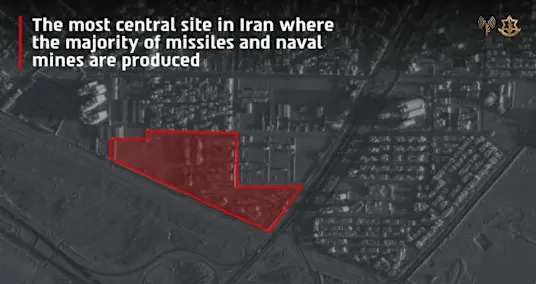
- IDF destroys regime's missile, sea mine production site in Yazd amid nationwide airstrikes
- Evaluated Smartwatches for Wellness Devotees
- The Most Vital Crossroads in Olympic History
- British Columbia's Secret Lakeside Town With Hot Springs Is 'An Oasis Of Arts, Culture And Relaxation'
- Iran begins cloud seeding to induce rain amid historic drought