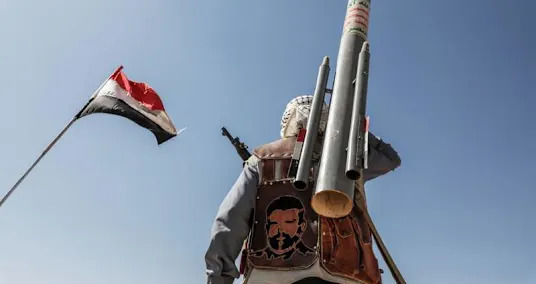
The IDF’s Tzrifin exhibition offers a rare look at weapons seized from Hamas in Gaza and Hezbollah in Lebanon, highlighting their organized, state-backed operations.
At the Tzrifin base, a restricted Israel Defense Forces (IDF) exhibition offers a rare, consolidated look at weapons seized during Israeli operations against Hamas in Gaza and Hezbollah along the northern border. The display traces a direct operational line from the October 7 attack to subsequent fighting across multiple fronts, revealing not only the volume of arms recovered but also the structures that sustained their use.
The exhibition is curated by the IDF unit tasked with confiscating enemy equipment, a formation that has operated continuously since 1973. According to its deputy commander, Lt. Col. (res.) Idan Sharon-Kettler, the current display, emerged in response to growing interest in what Israeli forces were encountering on the battlefield. What began as small, internal briefings expanded into a structured exhibition following coordination with the IDF spokesperson’s unit, bringing together representative items seized in Gaza, Lebanon, and other arenas.
The tour opens with weapons recovered from Hamas following the October 7 assault. Firearms seized inside Israel are displayed alongside identical systems later captured inside Gaza, highlighting that the attack relied on prepared military capabilities rather than improvised tools. Sharon-Kettler said the most striking aspect was not technological novelty, but intent. “What surprised me was the murderous intention of massacring civilians using military equipment,” he said, describing the use of battlefield weapons against unprotected civilians as fitting the definition of crimes against humanity.
Among the most prominent displays are rows of Kalashnikov-pattern rifles. According to Sharon-Kettler, the weapons reflect a broad mix of origins, including Russian, Ukrainian, Chinese, North Korean, and Eastern European manufacturers, pointing to extensive black-market procurement. Each rifle recovered from Israeli territory after October 7, he noted, was found with a round in the chamber, indicating active use during the attack. Alongside these are a small number of more advanced variants, produced exclusively in Russia and carried only by senior gunmen.
From Gaza, the exhibition shifts north to Hezbollah’s arsenal, where the contrast is immediate. The weapons seized in southern Lebanon reflect a military-grade organization with standardized supply chains, regular maintenance, and advanced systems positioned along Israel’s border. Sharon-Kettler said Israeli forces expected to find such capabilities, describing Hezbollah as a structured force that had prepared plans to invade Israel in a similar way as Hamas’s October 7 operation, but backed by higher-grade equipment.
Assault rifles, cannons, and anti-tank missiles
Displayed items include newer assault rifles, SPG-9 recoilless cannons bearing Iranian markings, and Kornet anti-tank missiles recovered from firing positions aimed at Israeli communities. Sharon-Kettler said dozens of these systems were captured in Lebanon, with evidence showing that many Kornet missiles had already been fired at towns such as Metula, Kiryat Shmona, and Manara. The exhibition also features modified rocket launchers designed to fire multiple rounds simultaneously, as well as advanced medical kits maintained at a professional military standard.
The display places these findings within a broader regional context, contrasting organized, state-backed supply lines with the lower-grade, locally produced weapons more commonly seized in the West Bank. What the exhibition ultimately illustrates is not only the scale of weapons recovered, but the structure behind them. From Hamas’ reliance on black-market procurement and improvised manufacturing to Hezbollah’s access to standardized systems supplied through organized channels, the collection outlines two distinct but interconnected threat models.
According to Sharon-Kettler, the weapons shown represent only a portion of what Israeli forces have captured and destroyed since the war began. Seizures, he said, continue on a near-daily basis across multiple fronts. The exhibition, he stressed, is not a historical archive, but a snapshot of an ongoing effort to dismantle armed capabilities already used against Israeli civilians and communities.
LATEST POSTS
- 1
 Air superiority and long-range strikes: what China's war games say about how it might assault Taiwan
 - 2'We are ready': NASA still on track to launch Artemis 2 astronauts to the moon April 1
- 3Whale stranded off Germany for days free again
- 4Bestselling author Colleen Hoover reveals cancer journey
- 5Defeating An inability to embrace success in Scholarly world: Individual Victories





- Disability rights activist and author Alice Wong dies at 51
- Holiday destinations for Creature Sweethearts
- Pick Your Favored method of transportation
- Extraordinary Guinness World Records That Will Astound You
- Israel reports first missile fire from Yemen since start of Iran war
- UK to hold fresh pork, other affected Spanish products at border amid African swine fever outbreak
- Schools to start reopening after Nigeria mass abduction
- Concern for couple jailed in Tehran as British embassy closes
- How HIV/AIDS got its name − the words Americans used for the crisis were steeped in science, stigma and religious language